
Login
Log in if you have an account
Register
By creating an account with our store, you will be able to move through the checkout process faster, store multiple addresses, view and track your orders in your account, and more.
Create an accountDesign Furniture Trends Belgium 2026
Design Furniture Trends Belgium 2026
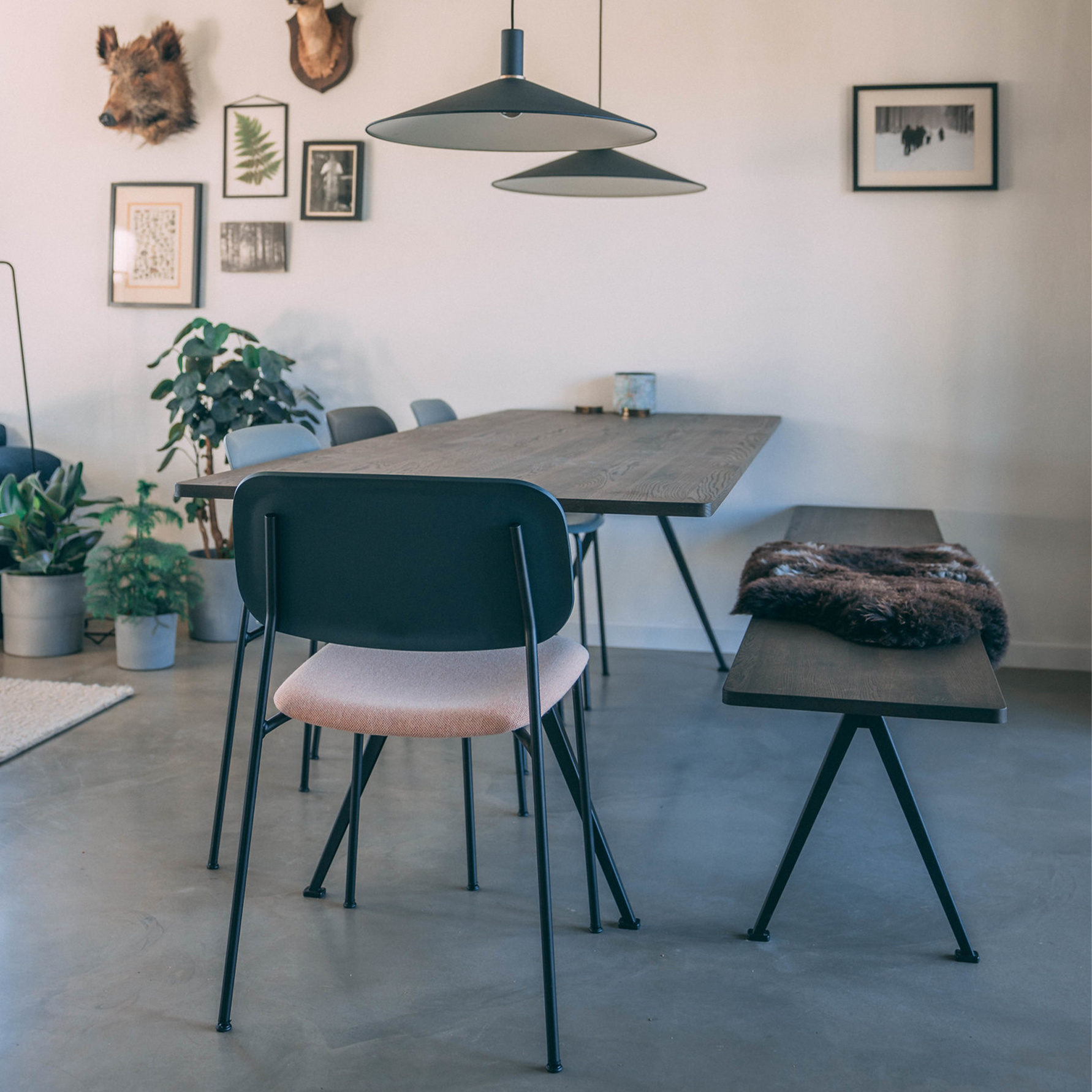
Belgian homes are embracing a calmer, more tactile form of contemporary living in 2026. Expect earthy colour stories, nature-forward materials, soft silhouettes and a renewed focus on lasting comfort. This guide cuts through noise and shows you exactly how to apply the most important design furniture trends Belgium 2026 - with clear, practical tips tailored to Belgian spaces and seasons. For a curated overview of standout pieces, explore Belgian design furniture.
Why 2026 is reshaping Belgian interiors
Several currents converge in 2026. Global fairs signal a pivot to quiet, sensory design - pieces that soothe, last and adapt. Belgian consumers are prioritising quality over quantity, choosing furniture that blends craft, technology and sustainability without shouting for attention. Smaller urban floorplans continue to drive multi-use layouts, while hybrid work-life patterns reward modularity and comfort-first seating.
Material intelligence is central. Designers lean into honest woods, stone and metal finishes that age well, highlight joinery and celebrate texture. Colour shifts from stark contrast to warmer, deeper palettes that make spaces feel grounded year-round. Outdoors, the patio evolves into a true living zone with weatherproof finishes and indoor-level comfort, reflecting the Belgian climate’s milder shoulder seasons.
All of this aligns naturally with Scandinavian restraint - clean geometry, human-scale proportions and durable materials - which is why these trends integrate seamlessly with Espoo’s curated design selection in Antwerp. Keep an eye on Belgian designers setting the tone for 2026.
Earthy, saturated colour palettes
2026 favours nature-infused hues over bright primaries. Think terracotta, olive, inky blue, espresso and walnut tones paired with stone, sand and chalk neutrals. These colours add warmth without heaviness and work across seasons. Start with one anchor piece in a deeper shade, then layer lighter textiles to balance the room. Matte finishes and open-grain woods enhance the grounded mood.
Natural materials and tactility
Texture is a design tool in 2026. Solid oak and walnut, travertine and limestone, brushed or raw aluminium, wool bouclé and linen bring tactile richness and visual depth. Mix no more than three textures per zone to keep harmony. Prioritise finishes that can be maintained or refreshed over time - oilable wood, replaceable covers, and hardware designed for repair. To combine craft with sustainability, explore our Made in Belgium collections.
Organic forms and soft silhouettes
Curves and softened geometry make spaces feel more inviting. Look for rounded corners, waterfall edges, scooped backs and asymmetric tabletops. Organic curves pair well with linear pieces - for example, a rounded lounge chair next to a crisp-legged side table. The result is an inviting flow that feels human and relaxed, yet still architectural.
Comfort-first cocooning
Comfort is not a luxury in 2026 - it is the brief. Deeper seat heights, ergonomic backs and supportive arm profiles are in demand, particularly for compact living where one piece must do more. Choose breathable natural textiles for year-round use and add layered lighting for evening calm. For inspiration, see Belgian lighting design.
Statement pieces with character
Rather than many small accents, select one sculptural piece to anchor a space. It could be a table with a distinctive base, a lounge chair with a signature profile or a storage piece that showcases craftsmanship. Aim for contrast - tactile next to slick, curved alongside linear. A single hero object brings personality and focus, allowing supporting pieces to remain quiet and timeless. Discover valerie_objects contemporary design for artful statements.
Outdoor design goes all-season
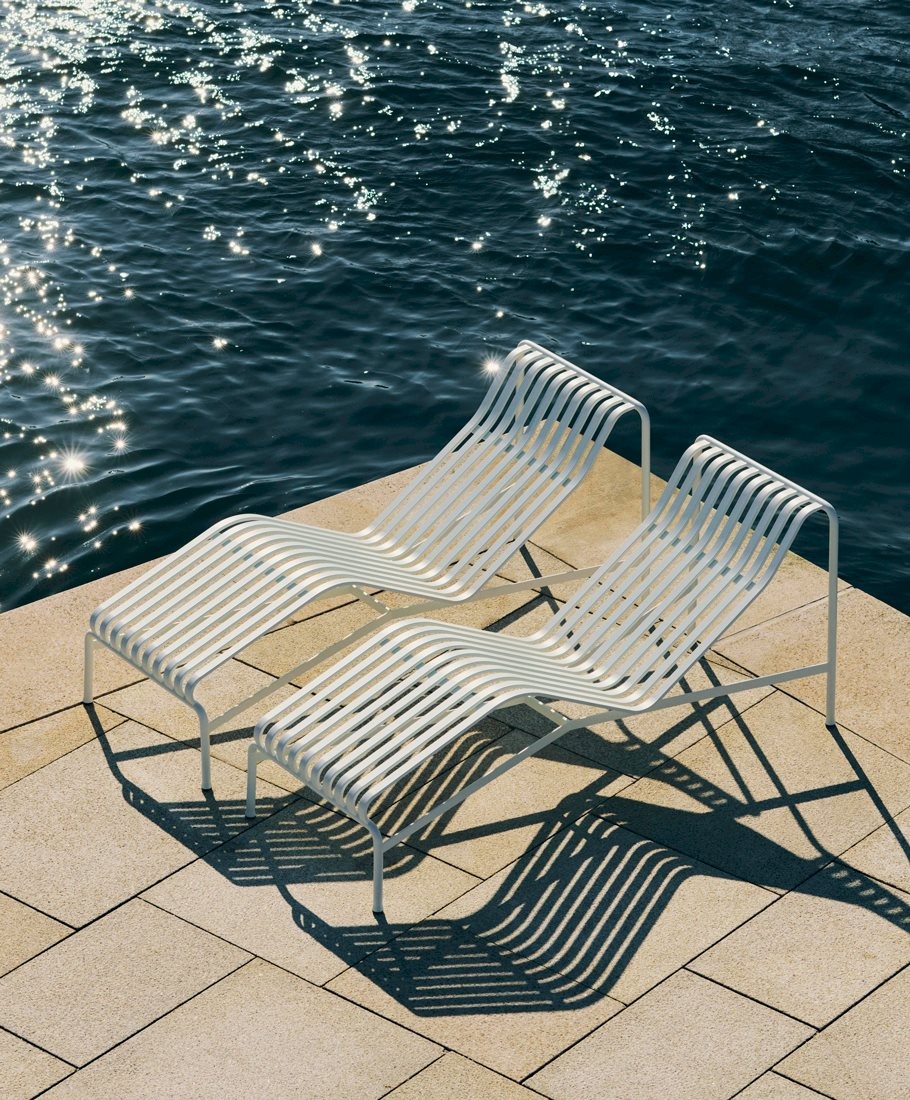
Terraces and small city patios evolve into daily-use rooms. Powder-coated steel and aluminium frames resist Belgian weather, slatted profiles drain quickly, and advanced cushions improve dry time and support. Choose modular outdoor tables for flexible dining-to-work setups, then add texture with wood or woven accessories to warm up metal structures. Keep a palette echoing your interior so the transition from inside to outside feels seamless. For sociable, weatherproof setups, explore Extremis outdoor design.
Sustainability 2.0 - circular, repairable, modular
Beyond recycled content, 2026 focuses on whole-life design. Look for:
- Repair-ready construction - visible fasteners, replaceable parts, swappable covers
- Mono-material pieces - easier to recycle at end of life
- Certified woods and low-VOC finishes - better for indoor air
- Timeless forms - staying power reduces environmental impact more than quick trends
Modular systems are gaining ground because they adapt to new homes and uses. A table that changes role, a lounge that reconfigures or a side table that doubles as a nightstand is a more sustainable investment than single-use objects. Choose products with clear material disclosure and a brand track record for spare-part availability.
Trend-to-product guide for Belgian homes in 2026
Use this quick reference to translate design furniture trends Belgium 2026 into concrete choices for your space.
|
Trend |
What it looks like |
Try from Espoo
|
|---|---|---|
|
Earthy palettes |
Deep, warm tones balanced with soft neutrals |
HAY Loop Stand Table in black for a calm, grounded anchor |
|
Organic comfort |
Soft curves, supportive seating silhouettes |
Penguin Lounge Chair for an inviting, sculptural profile |
|
Tactile materiality |
Honest metal with visible joins and texture |
Frama Rivet Box Table in raw aluminium for character and longevity |
|
All-season outdoor |
Durable frames, easy-drain surfaces, indoor-level comfort |
|
|
Quiet icons |
Timeless design with subtle detailing |
Explore our design brands for future classi |
FAQ
What colours will define design furniture trends Belgium 2026?
Expect earth-derived tones: terracotta, olive, inked blues and espresso browns paired with sand and stone neutrals. These shades feel warm in winter and fresh in summer. Introduce depth with a darker anchor piece, then soften with light, natural textiles so rooms remain bright.
Which materials are leading in 2026 furniture design?
Solid woods like oak and walnut, tactile stones such as travertine, and honest metals including brushed or raw aluminium. Natural textiles - linen, wool bouclé - complement these hard surfaces. Favour finishes that are maintainable and designed for repair over time.
Are organic, curved shapes a passing trend?
No. Curves answer long-term needs for comfort, flow and safety in compact homes. Mix curves with clean lines for balance - a rounded lounge chair next to a crisp table keeps the look contemporary, not theme-like.
How can I blend Scandinavian design with Belgian character?
Start with Scandinavian clarity - functional forms, natural materials - then enrich with local warmth: deeper woods, layered textures and art or craft objects as a focal point. Keep the palette cohesive so every piece feels part of one calm story.
What outdoor furniture works best for Belgium’s climate?
Powder-coated steel or aluminium frames with slatted profiles for drainage, UV-stable finishes and cushions designed to dry quickly. Keep colours connected to your interior and add wood or woven accents for warmth without compromising durability.
Ready to bring these ideas home? Visit Espoo’s Antwerp showroom to experience materials and comfort in person, or explore our collection online. The right 2026 choices will feel good now - and for years to come.
Recent articles
View all
Coming soon...
Interior design service