
Login
Log in if you have an account
Register
By creating an account with our store, you will be able to move through the checkout process faster, store multiple addresses, view and track your orders in your account, and more.
Create an accountWhat Is Designer Lighting?
What Is Designer Lighting?
Designer lighting is lighting created by professional product or lighting designers where form, materials and light quality are developed together. It does more than illuminate a room. It shapes mood, highlights architectural features and expresses your style, while meeting performance needs such as good glare control, dimming and durable build. At Espoo in Antwerp you will find Scandinavian designer lighting that balances timeless aesthetics with everyday function.
How designer lighting differs from standard fixtures
Standard fixtures mainly provide basic illumination at a price point. Designer lighting starts with a clear design intent and user experience. Expect refined proportions, carefully chosen materials and engineered optics that spread or focus light precisely. High color rendering, smooth dimming, replaceable parts and long-lasting finishes are common. Because the piece is meant to be seen, the light source is integrated to avoid harsh glare, the cable route is considered, and the silhouette works from every angle. You get an object with lasting value that elevates the room even when turned off. Many contemporary pieces build on mid-century lighting principles and icons.
The impact on mood, function and architecture
Light affects how you feel and how a space works. Warm color temperatures add intimacy to lounges and bedrooms, while neutral whites help you focus at a desk. With dimming you can shift from bright task light to soft evening ambience. Designer lighting also organizes a room visually: a pendant can anchor the dining zone, wall lights can guide circulation and floor lights can create depth by washing a texture wall. Aim for balanced layers: ambient light for overall brightness, task light where you work or read, accent light to draw attention to art or materials, and decorative light to add character. The right mix makes rooms feel larger, calmer and more coherent.
Key fixture types and when to use them
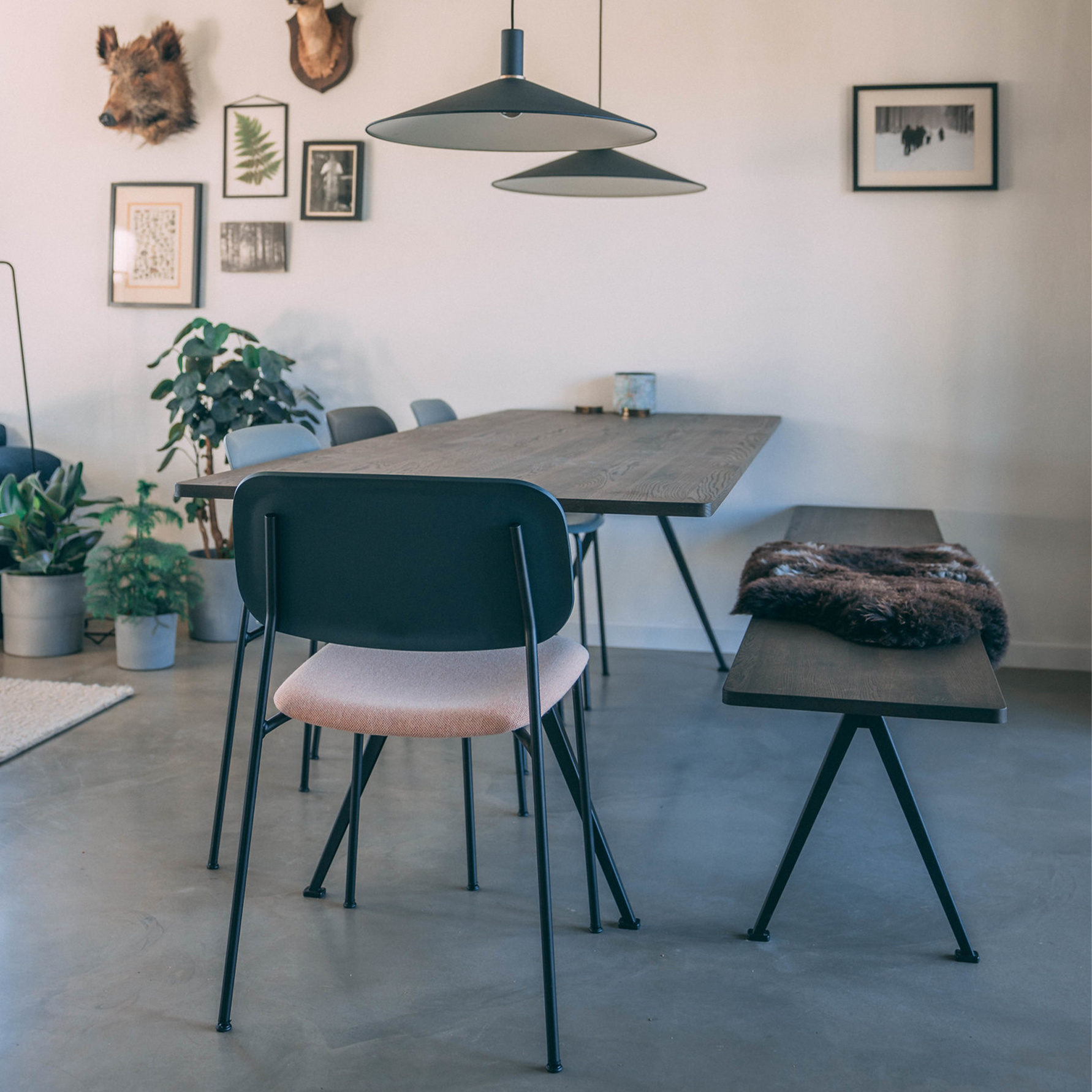
- Pendant lights: Ideal for dining tables, kitchen islands and high-ceiling spaces. Choose a diameter that suits the surface beneath and hang at eye-friendly height to avoid glare. A minimal Scandinavian option is the HAY Pao Steel pendant.
- Floor lamps: Flexible for living rooms and reading corners, and great for rental apartments. A slender arc or dome softens edges and adds vertical rhythm. See the HAY Pao Steel floor lamp for a clean, calm presence.
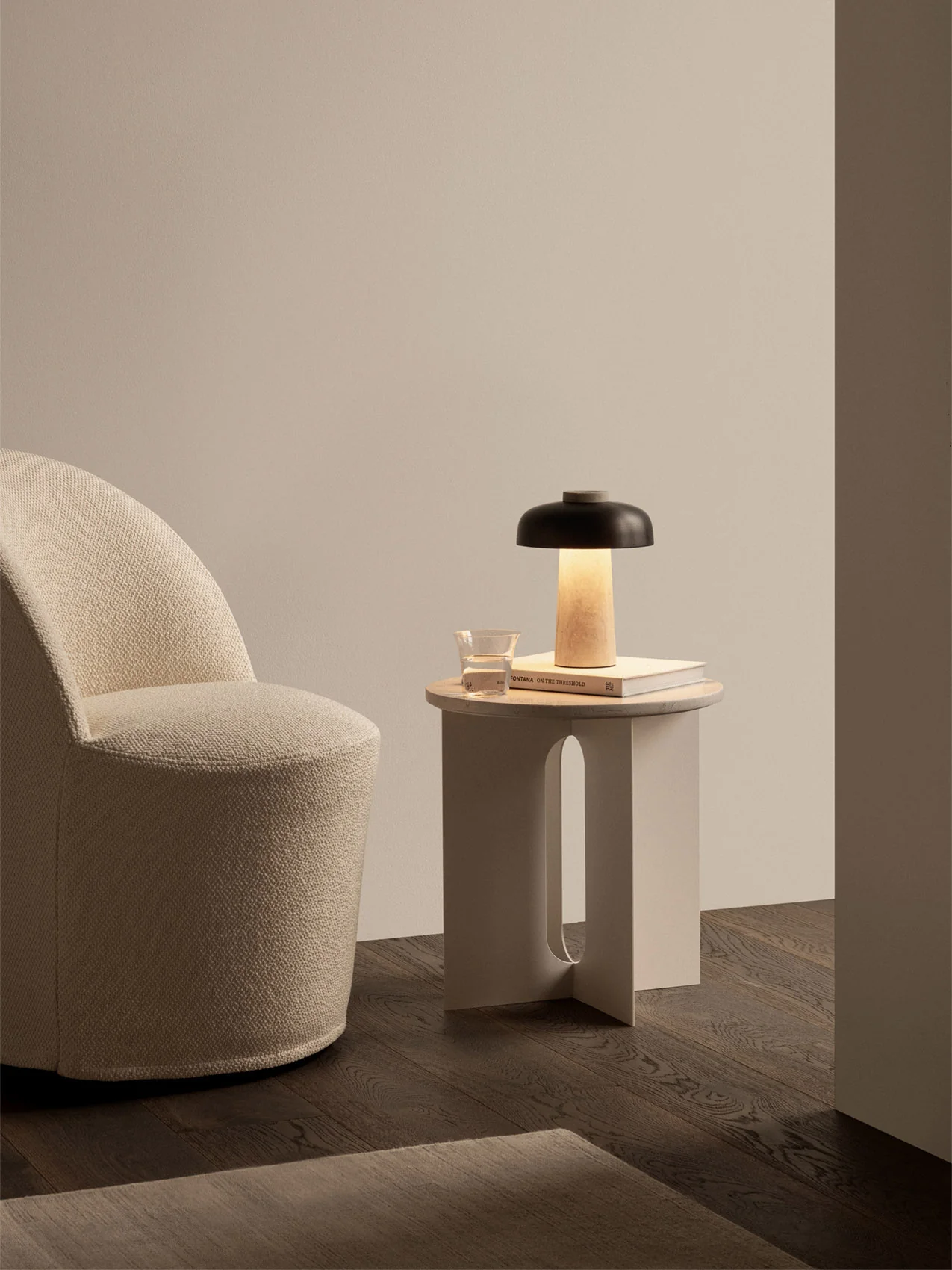
- Table lamps: Perfect for bedside, shelves and sideboards to add warmth and pockets of light. Materials like travertine or brass bring rich tactility. The Audo Reverse table lamp pairs a stone base with gentle diffuse light.
- Wall lights: Save space, guide movement and highlight architecture. Use adjustable beams for artwork or a soft glow for hallways. The Muuto Beam wall lamp offers directional control in a compact form.
- Portable lights: Cable-free and easy to move from dining table to terrace. Great for layered ambience and renters. Try the HAY Pao portable for relaxed, go-anywhere light.
How to choose the right designer lighting for your space
- Define the job: Do you need ambient, task, accent or purely decorative lighting? One piece can do two jobs, but know the priority.
- Size and scale: For pendants over a table, aim for roughly half to two thirds of the table width. Leave comfortable sight lines when seated or standing.
- Light quality: Look for comfortable glare control, suitable color temperature for the room and high color rendering so materials look true.
- Dimming and control: Add dimmers or smart control to shift easily from work to unwind. Even simple step-dimming makes a big difference.
- Materials and finish: Choose finishes that echo your palette and textures. Scandinavian design favors honest materials like metal, glass, wood and stone.
- Placement and layering: Combine a pendant with a floor lamp and a wall light rather than one very bright source. This feels calmer and more premium.
- Longevity: Prefer reputable brands with quality drivers, sturdy switches and available spare parts so the piece ages gracefully.
FAQs
What does a lighting designer do?
A lighting designer plans how light supports people and places. They define goals, study the space, select fixtures and optics, calculate light levels, control glare and specify dimming or smart controls. In interiors they collaborate with architects and stylists so technical lighting and decorative lighting work together to deliver both comfort and atmosphere.
What are the 4 types of lighting?
The four types are ambient, task, accent and decorative. Ambient provides overall brightness. Task targets activities like cooking or reading. Accent draws attention to features or artwork. Decorative is the statement piece that adds character and complements the other layers. Good lighting design blends all four for balance.
What is lighting in design?
Lighting in design is the intentional use of light to shape how a space looks and feels, and how well it functions. It covers technical performance, aesthetics, control and user comfort. In homes this means choosing fixtures, placement and controls that support daily routines while expressing your style through form, material and quality of light.
What is considered decorative lighting?
Decorative lighting is lighting chosen primarily for its visual presence, acting like functional sculpture. Chandeliers, statement pendants and design-led table lamps are typical examples. Noguchi’s Akari light sculptures are emblematic of designer lighting as functional art. They still need good light quality, but their form, material and detailing are central. Brands like HAY, Muuto, Audo, Lyfa, AndTradition and Artemide excel at this balance.
Want to experience Scandinavian designer lighting in person? Visit Espoo’s 400 m² showroom in Antwerp or explore our online selection to find the piece that completes your space.
Recent articles
View all
Coming soon...
Interior design service