
Login
Log in if you have an account
Register
By creating an account with our store, you will be able to move through the checkout process faster, store multiple addresses, view and track your orders in your account, and more.
Create an accountHow to Measure for New Furniture
How to Measure for New Furniture
Buying new furniture is easier when you measure first. A piece can look perfect online or in a showroom, but if it disrupts the layout, blocks movement, or cannot get through the door, it is the wrong fit. Use this straightforward method to measure your room, your access route, and the furniture footprint before you choose.
What you need before you start
- Tape measure - for room size, openings, and furniture clearance
- Notebook or phone notes - to record every measurement clearly
- Phone camera - to photograph the room and fixed features
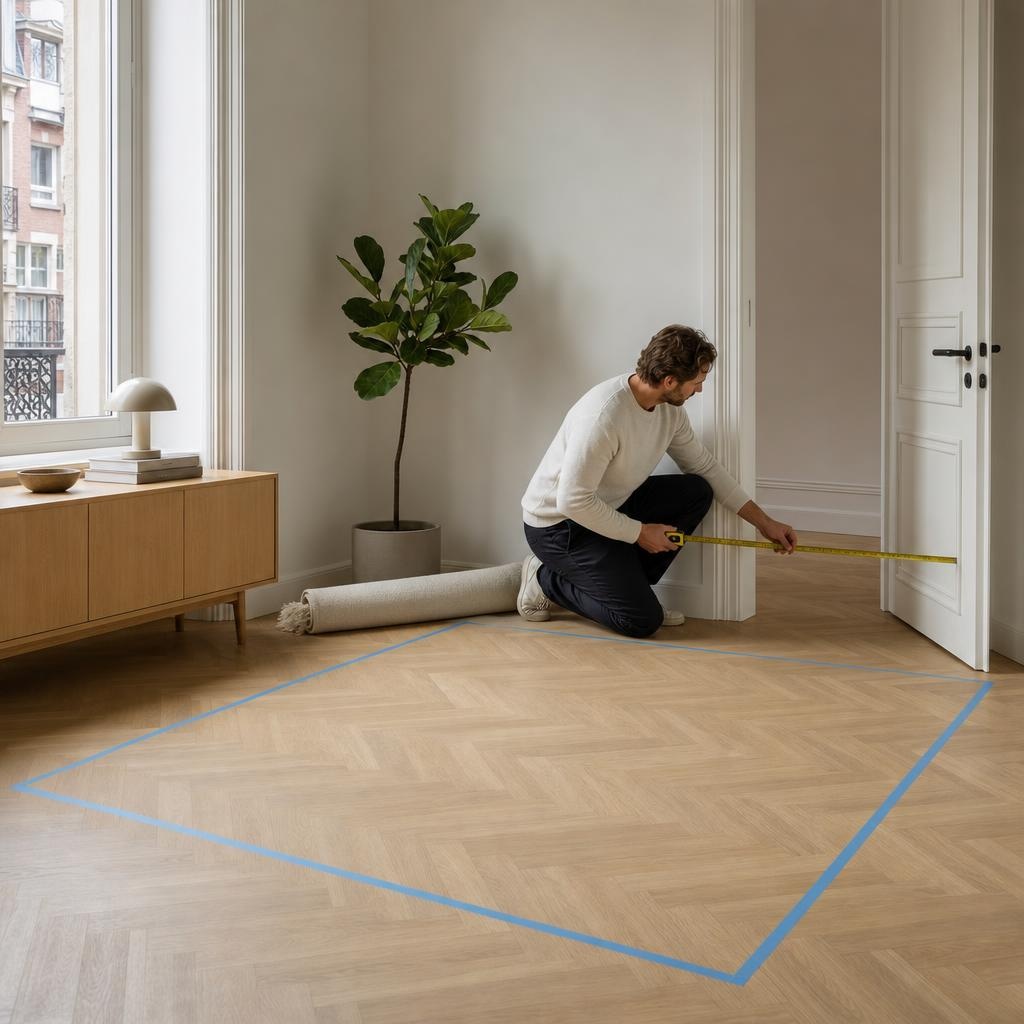
- Painter's tape - to mark the furniture footprint on the floor
- Simple room sketch - hand-drawn is enough
If the room is large or awkwardly shaped, a laser measure can help, but a standard tape measure is enough for most homes.
Step 1: Measure the room itself
Start with the full usable size of the room. Measure the length and width from wall to wall, then note the ceiling height if you are considering tall pieces such as shelving, storage units, or cabinets.
Make a quick sketch and add:
- walls and corners
- windows
- radiators
- fireplaces
- built-in storage
- plugs and switches if they affect placement
If the room is not perfectly square, measure in more than one place. Older homes can have slight variations, so the smallest measurement is usually the safest one to work with.
Step 2: Measure around fixed obstacles
Furniture rarely sits in an empty box. Small details often affect whether a piece truly fits.
- Measure between skirting boards, not just wall to wall
- Note window sill height if furniture may sit underneath
- Check how far radiators or ledges project into the room
- Measure the swing of doors so they can still open fully
- Leave room for drawers, cabinet doors, and reclining functions to open comfortably
This is where many measuring mistakes happen. A sofa may fit the wall length on paper but still feel too tight once door swings, side tables, or walking space are considered.
Step 3: Plan for movement and everyday use
The right furniture size is not only about whether it physically fits. It also needs to feel balanced and easy to live with. Leave enough circulation space so the room stays functional.
As a practical guide:
- allow about 75 to 90 cm around dining tables where people need to pull out chairs and move around comfortably
- leave enough space in front of storage pieces for doors and drawers to open fully
- keep clear walking routes between larger pieces so the room does not feel blocked
For dining areas in particular, marking out the table footprint with tape is one of the easiest ways to check whether the size works before buying. You can also place chairs roughly around the outline to test the real space needed, and a dining table size guide can help when comparing dimensions.
Step 4: Measure the delivery path
Even if the furniture fits the room, it still has to get there. Measure the full path from the entrance to the final space.
- front door width and height
- internal doorways
- hallways
- stairs
- tight corners and turns
- lift dimensions if relevant
For bulky items, check both width and diagonal clearance. Packaging can also add extra size, so it is smart to leave a margin rather than working to the exact millimetre.
Step 5: Compare your measurements with the furniture dimensions
Once your room measurements are clear, compare them with the dimensions listed for the furniture. Product dimensions are usually given as width, height, and depth. For tables, pay close attention to the top size. For sofas and lounge chairs, check overall width and depth as well as the visual weight of the piece in the room.
When comparing, think about three things:
- Fit - does it physically fit in the space?
- Clearance - can people walk around it and use it properly?
- Proportion - does it suit the scale of the room?
A piece can technically fit and still feel too large. This is especially common with deep sofas, oversized armchairs, and dining tables that leave too little space around them.
Step 6: Test the footprint before you buy
One of the most useful ways to measure for new furniture is to mark the actual footprint on the floor. Use painter's tape or sheets of newspaper to outline the width and depth of the item where it will go.
This helps you judge:
- how much floor area the piece will take up
- whether doors, drawers, and chairs can still move freely
- if the scale feels right from different angles in the room
This simple step is especially helpful for dining tables, sofas, sideboards, and larger storage pieces such as the String shelving system.
Common measuring mistakes to avoid
- Measuring only the room, not the route in - large furniture may fail at the hallway or staircase
- Ignoring clearance - furniture needs space around it, not just space under it
- Forgetting fixed features - radiators, skirting boards, window sills, and door swings reduce usable room
- Relying on guesswork for chairs - actual chair width and pull-out space matter more than rough assumptions
- Skipping the floor test - taped outlines often reveal problems that measurements alone miss
A simple checklist before you choose
- Measure room length, width, and height
- Mark windows, doors, radiators, and built-ins
- Allow enough space for movement and daily use
- Measure the delivery path from entrance to room
- Compare all dimensions with the product listing
- Test the footprint on the floor with tape
FAQ
What is the correct way to measure furniture?
Measure furniture by checking its full width, height, and depth, then compare those dimensions with your room, your clearance needs, and the access route into the home. Always look beyond the footprint itself and account for how the piece will be used in everyday life.
Which comes first, height or width or length?
Dimension order can vary by retailer, so do not rely on assumptions. Check how the measurements are labelled on the product page. In most cases, furniture dimensions are presented as width x height x depth, but the labels matter more than the order alone.
What is the 2/3 rule for furniture?
The 2/3 rule is a styling guideline often used for visual proportion, such as choosing a sofa that is around two-thirds the width of a wall or artwork that is around two-thirds the width of the furniture below it. It can be helpful for balance, but it should come after practical measuring, not before.
What is the biggest mistake in placement of furniture?
The biggest mistake is choosing a piece based only on whether it fits the empty floor area. Good placement also depends on walking space, door swings, natural movement through the room, and how the furniture relates to other pieces nearby. If you want expert help planning layout and sizing, an interior design service can be useful.
Recent articles
View all
Coming soon...
Interior design service