
Login
Log in if you have an account
Register
By creating an account with our store, you will be able to move through the checkout process faster, store multiple addresses, view and track your orders in your account, and more.
Create an accountIP ratings explained bathrooms and outdoor lights
IP ratings for lights
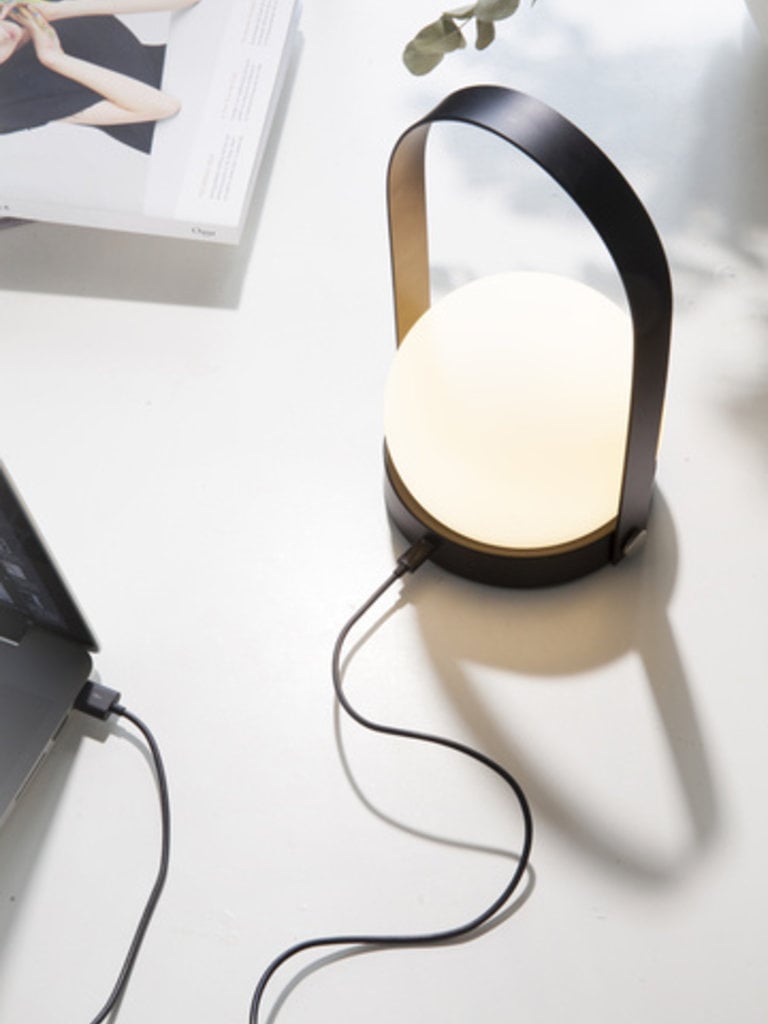
Choosing the right IP rating for lights keeps your design scheme safe and compliant in bathrooms, gardens and other damp areas. IP ratings indicate resistance to dust and water, so you know where a fixture can be used. At Espoo you will find design lighting, including Audo’s Carrie LED Lamp – IP44 portable light, a compact example suited to splash-prone areas.
How the IP code works
IP stands for Ingress Protection and is written as IPXY. The first digit shows protection against solid objects and dust from 0 to 6. The second digit shows protection against water from 0 to 9. An X means that aspect was not tested, for example IPX5 is tested for water jets but not for dust. Typical indoor fixtures are IP20, which protect against fingers but not moisture. IP44 rated lights are splash proof and fine for most bathrooms outside the shower area and for covered outdoor spaces. IP54 and IP55 add better dust protection and resistance to rain. IP65 lights resist low pressure water jets, useful near showers or in exposed outdoor locations. IP66 and IP67 handle powerful jets or temporary immersion. IP ratings do not indicate impact or vandal resistance - that is the separate IK rating. To browse fixtures engineered for rain and splashes, see our Weatherproof lighting and accessories.
Bathroom lighting zones and minimum IP ratings
Bathrooms are split into safety zones that determine the minimum IP rating. Zone 0 is inside the bath or shower tray and needs at least IPX7 plus very low voltage. Zone 1 is the area above the bath or shower up to 2.25 m and typically requires IPX5 - many choose IP65 shower downlights here. Zone 2 extends 0.6 m around the bath, shower and basin and needs at least IPX4, so IP44 bathroom wall lights, mirrors or IP rated pendant lights for bathrooms are suitable when clear of splashes. Beyond zone 2 is often treated as zone 3 or outside the zones where IP20 can be acceptable, but humidity and splash risk still matter. For walk-in showers with strong spray, consider IP65 or IP67 bathroom lights. Always follow local regulations and installation guidance for bathroom lighting zones and IP rating above the shower.
Outdoor and garden lighting
The best IP rating for outdoor lights depends on exposure. As a rule, use at least IP44 for covered porches and soffits. For exposed walls and paths, IP54 or IP55 handle wind-driven rain. Choose IP65 for jet cleaning or heavy weather, while IP66 and IP67 offer higher protection for coastal areas or low-level fixtures like decking lights. IP68 is for permanent submersion such as pond or swimming pool lighting. If you wonder whether IP43 is ok for outside lights, step up to IP44 to be safe. The same logic applies to IP rated LED strip lights, bulkhead lights and festoon lighting used outdoors. For ideas and product selection, explore our Outdoor LED lamps. Looking for higher protection? See our Waterproof designs.
Choosing design lighting at Espoo
Start with where the light will live, then match the required IP. Dry rooms usually need IP20. Bathrooms and covered outdoor spaces often call for IP44 - Audo’s Carrie LED Lamp IP44 is a good example for zone 2 or 3 and sheltered terraces. For a similarly compact, outdoor-ready option, see HAY PC Portable – outdoor-ready portable lamp (IP44). For showers or fully exposed facades, look for IP65 and above. Visit our 400 m² Antwerp showroom or shop online to explore design lighting that meets your space and protection needs, or browse our Portable rechargeable lamps for indoor/outdoor use.
FAQs
What is the IP rating for lights?
It is a two-digit code that shows resistance to solids and water. Common ratings include IP20 for dry indoor spaces, IP44 for splashes, IP65 for water jets and IP67 for temporary immersion.
Is IP44 or IP65 better?
Neither is universally better - it depends on location. IP44 suits most bathrooms outside the shower and covered outdoor areas. IP65 offers stronger protection for showers or fully exposed outdoor use.
Recent articles
View all
Coming soon...
Interior design service