
Login
Log in if you have an account
Register
By creating an account with our store, you will be able to move through the checkout process faster, store multiple addresses, view and track your orders in your account, and more.
Create an accountHow to style a small Belgian apartment in Scandi style
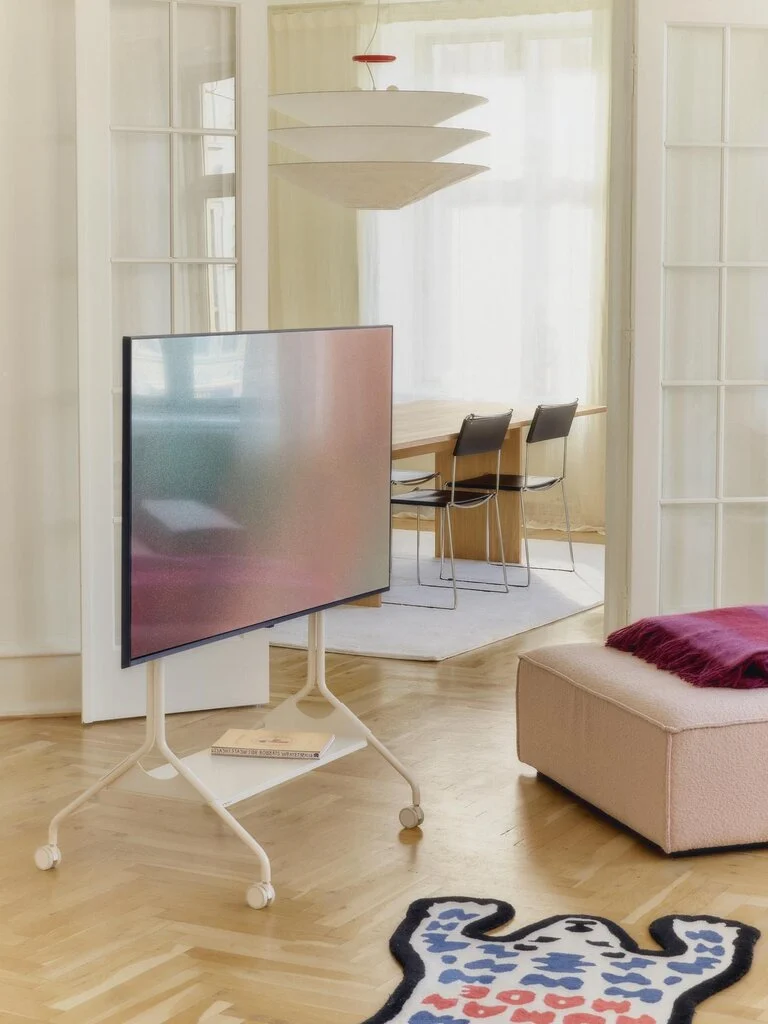
Scandinavian Small Apartment Styling
Scandinavian small apartment styling is all about making limited square meters feel lighter, calmer and more functional without losing warmth. The best small Scandinavian apartment interiors combine clean lines, natural materials, smart storage and a restrained mix of furniture, lighting and textiles. Instead of filling a room with more pieces, you create a home where every item has a clear purpose and visual space can do part of the work.
If you want a small apartment cozy Scandinavian interior, the goal is not to make it look empty. The goal is to make it feel balanced. A well-styled Scandinavian small apartment uses light, proportion, texture and layout to open up the room visually while keeping everyday living practical. Below, you will find the key styling principles that make this approach work in real homes.
Use light to make a small Scandinavian apartment feel bigger
Light is one of the most important foundations of scandinavian small apartment styling. In a compact home, dark finishes and heavy visual contrasts can make walls feel closer and the layout more crowded. A lighter base reflects daylight, softens transitions between zones and creates a calmer atmosphere.
Start with walls, flooring and larger surfaces. White, off-white, soft greige, pale grey and muted beige work well because they keep the space open without feeling stark. If possible, combine that neutral backdrop with light wood tones such as ash, oak or pine. This is one of the reasons a small scandinavian apartment often feels brighter and more spacious than its floor plan suggests.
Window treatment matters too. Choose curtains in airy fabrics such as linen blends or light cotton, and hang them slightly higher and wider than the window frame so the window appears larger. Avoid blocking daylight with bulky shelving, dark cabinets or oversized armchairs placed directly in front of windows.
Artificial lighting should support the same effect. Layer the room with more than one light source instead of relying on one central fixture. A wall lamp, table lamp and floor lamp together create depth and reduce harsh shadows. This makes the apartment feel softer in the evening and helps maintain that calm Scandinavian mood throughout the day.
Keep the styling calm by reducing visual clutter
A strong Scandinavian interior is rarely built around excess. In a small home, that matters even more. Too many accessories, color shifts or small furniture pieces create visual noise, which makes the room feel smaller than it is. Scandinavian styling works because it edits the space carefully.
That does not mean removing personality. It means choosing fewer objects with more impact. One generous rug can anchor a seating area better than several small textiles. One larger artwork often looks calmer than a gallery wall filled with many frames. A few ceramics, books or sculptural objects can add character without turning surfaces into storage zones.
Try to repeat materials and tones across the apartment. When your wood finishes, textiles and key colors feel connected from one area to another, the whole space reads as one coherent interior. That visual continuity is especially helpful in a studio or open-plan apartment where living, dining and sleeping functions are close together.
- Limit open-shelf styling to a few well-chosen items
- Prefer closed storage for daily clutter
- Use one or two accent colors rather than many small pops
- Choose larger pieces with breathing room around them
- Keep tabletops and floors as open as possible
Choose furniture with the right scale and silhouette
Furniture selection has a direct impact on how a Scandinavian small apartment looks and functions. Compact living does not always mean buying the smallest possible pieces. Very small items can make a room feel fragmented. Often, fewer well-proportioned pieces create a more spacious result.
Look for furniture with clean lines, visible legs and a light profile. Sofas and lounge chairs that appear lifted from the floor give the eye more uninterrupted space. Slim arms, shallow depths and refined frames are particularly useful in tighter layouts. This is why compact models such as a studio sofa can work so well in smaller living rooms where comfort still matters.
Round or softly shaped tables can also help circulation by making movement easier in narrow areas. In dining zones or compact kitchens, a well-sized table should feel useful without dominating the room. Scandinavian design tends to handle this balance well because it combines simplicity with practical daily use.
What to look for in small-space furniture
- Reduced depth for sofas and storage units
- Open or legged bases that keep the floor visible
- Clean silhouettes without heavy ornament
- Multi-use potential without looking bulky
- Materials that add warmth, such as wood, wool and linen
At Espoo, this approach connects naturally with Scandinavian pieces designed for compact living, such as a reduced-depth sofa, modular shelving solutions or a compact table for apartment kitchens and smaller living areas.
Use multifunctional pieces without making the room feel heavy
Function is central to Scandinavian design, especially in smaller homes. When one room has to support living, working, dining and relaxing, furniture should do more than one job where possible. The key is to choose pieces that are practical without adding visual weight.
Storage benches, compact side tables, stackable stools and modular systems are useful because they adapt to changing needs. A stool can become extra seating, a bedside table or a plant stand. A slim console can work as a desk in the morning and a styling surface in the evening. The most successful small apartment cozy Scandinavian interior ideas are usually flexible rather than fixed.
Be selective, though. Some multifunctional furniture can look boxy or oversized. If a piece offers storage but overwhelms the room, it may solve one problem while creating another. In Scandinavian small apartment styling, visual lightness still matters. Choose practical pieces that maintain clean lines and leave enough negative space around them.
Go vertical with storage and styling
When floor space is limited, walls become essential. Vertical storage helps you free up circulation space and keeps the apartment feeling more open. In a small Scandinavian apartment, wall-mounted shelving and modular systems are especially effective because they combine function with a light, architectural look.
Open shelves work well when styled sparingly. Closed modules are better for cables, paperwork, tableware and everyday items you do not want on display. A mix of both usually gives the best result. In kitchens, work corners, wardrobes and even narrow hallways, a configurable storage system can make difficult spaces more usable without custom built-ins.
This is also where Scandinavian design excels: practical storage that still feels refined. The String shelving system fits naturally within this style because it can be adapted to the room instead of forcing the room to adapt to the furniture.
Rely on natural materials for warmth and texture
One reason people love the look of a small apartment cozy Scandinavian interior is the balance between simplicity and warmth. That warmth usually comes from materials rather than decoration. Wood, wool, linen, paper, boucle, ceramics and matte finishes add depth without making the room feel busy.
In a compact apartment, texture is often more effective than strong color contrast. A pale wool rug, a linen curtain, a timber shelf and a softly upholstered chair can make a neutral room feel layered and inviting. This is a smarter approach than introducing many bold accessories that visually compete for attention.
If your base palette is light and restrained, even a few tactile elements can transform the atmosphere. That is one of the defining traits of scandinavian small apartment styling: comfort is created through material honesty, not overload.
Style textiles to soften the room without overwhelming it
Textiles play an important role in making a scandinavian small apartment feel finished. They soften hard surfaces, improve acoustics and make minimalist spaces feel more livable. In smaller rooms, the best textiles are usually understated in both color and pattern.
Stick to a simple palette and vary the texture instead. A flatwoven rug, washed linen curtains and a wool throw can create enough contrast on their own. If you want pattern, use it carefully. Thin stripes, subtle checks or tone-on-tone designs often work better than dense prints in a compact interior.
Placement matters too. A rug should be large enough to connect the furniture around it. Curtains should enhance height and daylight. Bedding in a studio should look integrated with the rest of the room, especially if the sleeping area is visible from the living space. When textiles feel consistent, the apartment feels calmer and more intentional.
Add greenery with restraint
Plants bring life to a Scandinavian small apartment, but they should support the styling rather than clutter it. A few larger plants often work better than many small pots spread across every surface. They create shape and softness while keeping the room visually clear.
Choose simple planters and place greenery where it frames the room naturally, such as near a window, beside a shelving unit or in an unused corner. This keeps the overall composition balanced. In Scandinavian interiors, greenery is usually part of the atmosphere, not the main focal point.
A practical styling formula for a small Scandinavian apartment
If you want to style your space step by step, use this order:
- Start with a light, cohesive base palette
- Choose the main furniture pieces based on scale and function
- Add vertical storage to clear the floor
- Layer lighting instead of depending on one fixture
- Introduce texture through rugs, curtains and upholstery
- Edit accessories until the room feels calm, not empty
- Finish with one or two larger plants and a few personal objects
This approach helps you avoid the most common small-space mistake: decorating too early, before layout, storage and light are working properly.
Common mistakes in Scandinavian small apartment styling
- Choosing furniture that is too deep for the room
- Blocking windows with storage or seating
- Using too many small decor items
- Mixing too many wood tones and accent colors
- Relying only on overhead lighting
- Adding storage that feels bulky instead of integrated
- Ignoring wall space that could improve function
Where to find Scandinavian furniture and styling support
If you want to create a more considered Scandinavian small apartment, it helps to work with furniture and storage designed for compact living from the start. Espoo focuses on Scandinavian design with a curated selection of furniture, lighting, textiles and homeware that suit smaller interiors particularly well. Think of compact sofas, modular shelving, adaptable storage and lighting that keeps the room visually light.
If you need help translating inspiration into a workable plan, Espoo also offers interior design support, including moodboards, shopping lists and layout guidance. For apartments where every centimeter matters, that extra clarity can make it easier to choose pieces that look calm, function well and still feel timeless.
FAQ about Scandinavian small apartment styling
How do you make a small apartment look Scandinavian?
Use a light color palette, natural materials, simple furniture shapes and minimal but warm styling. Focus on daylight, smart storage and visual calm. The best results come from combining function with texture rather than adding many decorative items. If you want a broader overview, it helps to understand what Scandinavian interior design is.
What colors work best in a small Scandinavian apartment?
White, off-white, soft grey, greige, sand and muted beige are the most practical choices. These tones reflect light and help small rooms feel open. You can add warmth with pale wood, wool, linen and a few darker accents in black or brown.
Can a small apartment still feel cozy in Scandinavian style?
Yes. A small apartment cozy Scandinavian interior uses texture, soft lighting and natural materials to create warmth. Cozy does not come from filling the room. It comes from a balanced mix of comfort, simplicity and calm visual flow.
What furniture is best for a small Scandinavian apartment?
Look for compact sofas, modular shelving, light-profile tables, wall lighting and storage that uses height well. Pieces with visible legs, slim lines and practical proportions usually work best because they keep the room functional without feeling heavy.
How do you avoid clutter in Scandinavian small apartment styling?
Prioritize closed storage for everyday items, style open surfaces sparingly and choose fewer larger pieces instead of many small ones. Repeat materials and colors so the apartment feels cohesive rather than visually busy. These ideas align closely with the principles of Scandinavian interior design.
What kind of storage works best in a small Scandinavian apartment?
Wall-mounted, modular and vertical storage solutions are often the most effective. They save floor space and can be tailored to living rooms, kitchens, work areas and bedrooms. A mix of open and closed storage usually gives the most balanced look.
Is Scandinavian style good for studio apartments?
Yes. Scandinavian style is especially suitable for studios because it emphasizes light, order, multifunctional furniture and visual continuity. Those principles help one open space feel more organized and more spacious. Readers who want a more up-to-date perspective can also explore current Scandinavian interior design trends and finishing ideas like Scandinavian home accessories.
Recent articles
View all
Coming soon...
Interior design service