
Login
Log in if you have an account
Register
By creating an account with our store, you will be able to move through the checkout process faster, store multiple addresses, view and track your orders in your account, and more.
Create an accountThe three fs of interior design form function feeling
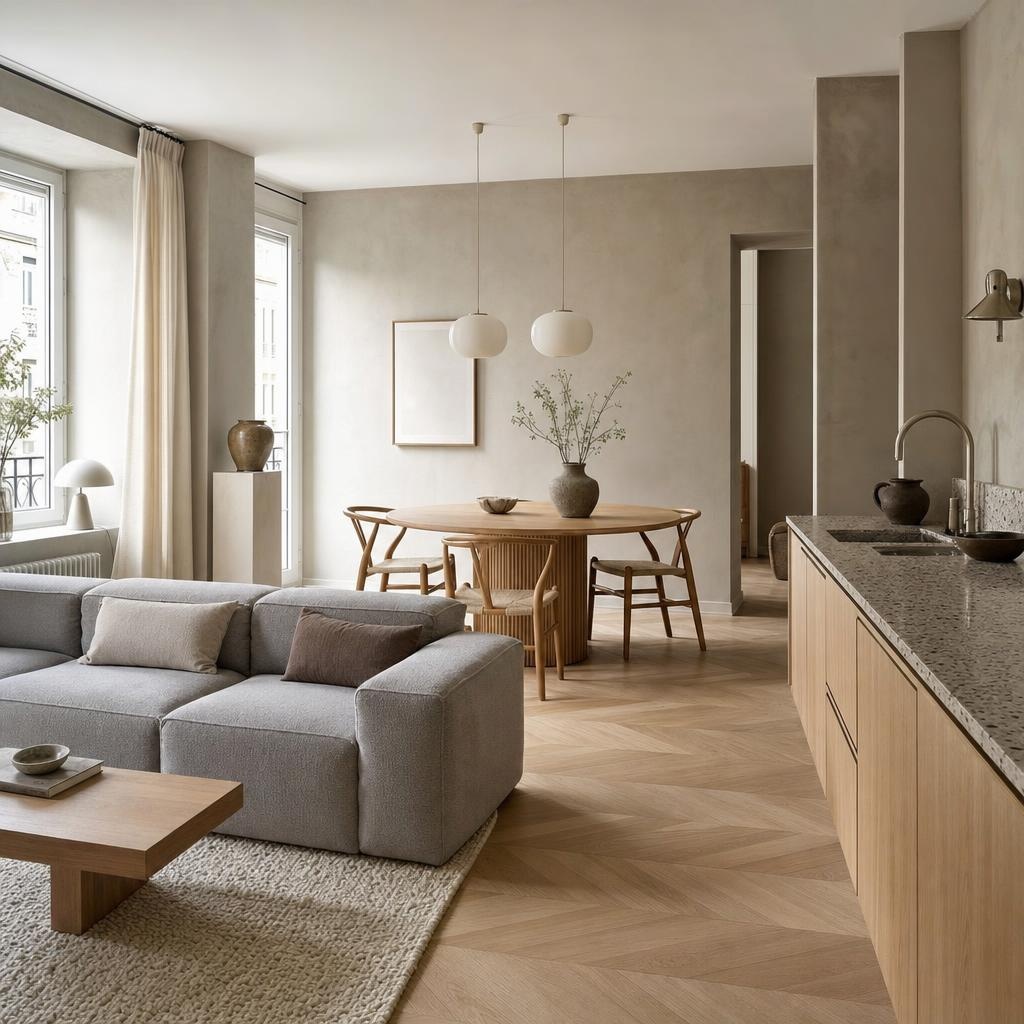
Three Fs of Interior Design
The three Fs of interior design are a simple way to understand how a room comes together: floor plan, finishes and fixtures. Together, they shape how a space works, how it looks and how it feels to live in every day. If you want a home that feels calm, practical and cohesive, this framework is one of the clearest places to start.
What are the three Fs of interior design?
The three Fs of interior design are floor plan, finishes and fixtures. They are often considered in this order because each decision affects the next one.
- Floor plan - the layout of the room, including circulation, furniture placement and how the space is used
- Finishes - the visible surface choices, such as flooring, textiles, colours and other material layers
- Fixtures - the more fixed design elements that support both function and visual consistency, such as lighting and hardware
When these three elements are aligned, a room feels intentional rather than pieced together. When they are handled separately, even beautiful individual items can feel disconnected.
Why the three Fs matter
The value of this framework is that it keeps design decisions in the right order. Many interior problems start when people choose pieces they love before checking whether the layout works, or when finishes and fixtures are selected without thinking about the room as a whole.
A strong result usually comes from asking three basic questions:
- Does the space function well?
- Do the materials and colours support the atmosphere you want?
- Do the fixed details feel consistent with the rest of the room?
That is why the three Fs are useful for both complete projects and smaller room updates.
Floor plan: the foundation of the room
The floor plan is the functional base of interior design. It is not only about where furniture fits, but about how you move through the room, where the eye naturally goes and whether the space supports daily life.
A good floor plan helps you decide:
- Circulation - whether movement through the room feels easy and natural
- Placement - how sofas, tables, storage and lighting relate to each other
- Proportion - whether pieces feel right for the size of the room
- Use - whether the layout matches how you actually live, host, work or relax
For example, in a living room, the floor plan determines whether seating encourages conversation, whether storage is easy to access and whether the room feels open rather than cramped. In a dining area, it helps ensure there is enough space to move around the table comfortably.
If the layout is wrong, later choices rarely solve the problem. Beautiful furniture cannot compensate for awkward circulation or poor spacing.
Finishes: the material and mood layer
Finishes are the surfaces and visual layers that give a room its character. They influence warmth, texture, contrast and the overall atmosphere of the interior.
Depending on the space, finishes can include:
- Flooring
- Wall colour
- Textiles such as rugs, cushions and upholstery
- Material choices across furniture and accessories
This is often where a home starts to feel personal. Soft, muted finishes can create a calm Scandinavian look, while stronger contrasts can bring more definition and energy. The key is not choosing everything to match perfectly, but creating enough continuity that the room feels composed.
Finishes should also work with the practical needs of the room. A beautiful material still needs to make sense for everyday use, light conditions and maintenance expectations.
Fixtures: the details that complete the design
Fixtures are the fixed or semi-fixed elements that help tie the room together. They are often smaller than the major furniture pieces, but they have a big impact on the final impression of the space.
Common examples include:
- Lighting
- Handles and hardware
- Wall-mounted elements
- Other practical details that support daily use
Fixtures matter because they sit at the meeting point of function and style. A lamp, for example, needs to provide the right light, but it also affects scale, mood and visual balance. Hardware may seem minor, yet repeated fixture choices can make a room feel either refined and consistent or visually fragmented.
How the three Fs work together
The real strength of the three Fs of interior design is not each part on its own, but how they interact.
| Element | Main role | What it influences next |
|---|---|---|
| Floor plan | Function, movement, placement | Which pieces fit and how the room is used |
| Finishes | Atmosphere, texture, cohesion | How the room feels visually and materially |
| Fixtures | Practical detail and visual consistency | How polished and complete the scheme feels |
Think of it this way: the floor plan gives the room structure, finishes give it tone and fixtures sharpen the final result. When all three support the same idea, the space feels balanced and easy to live with.
How to use the three Fs when making design decisions
If you are planning a room, the simplest approach is to move through the three Fs step by step.
- Start with layout. Work out what the room needs to do before selecting individual pieces.
- Build a clear material direction. Choose finishes that support the mood you want and relate well to each other.
- Refine with fixtures. Use lighting and other fixed details to reinforce consistency and function.
This approach is especially helpful when you feel overwhelmed by choice. Instead of evaluating everything at once, you make decisions in a logical sequence.
For homeowners looking for a more cohesive result, it can also help to view furniture, lighting, storage and accessories as part of one bigger picture rather than separate purchases. A curated approach usually leads to a calmer, more timeless interior.
FAQ
What are the three F's of interior design?
The three F's of interior design are floor plan, finishes and fixtures. They form a practical framework for designing a space that works well, looks cohesive and feels considered.
In what order should you think about the three Fs?
Usually, start with the floor plan first, then move to finishes, then fixtures. That order helps prevent visual choices from getting ahead of the practical layout of the room.
Are the three Fs useful for small updates, not just full renovations?
Yes. Even if you are only updating one room, the framework helps you make better choices. You can review the layout, check whether your material palette feels consistent and use lighting or hardware to strengthen the overall result.
Do the three Fs apply to Scandinavian interiors?
Yes. They fit especially well with Scandinavian-inspired interiors because those spaces rely on clear layouts, thoughtful material choices and well-chosen details rather than excess decoration. You can see this more clearly in the principles of Scandinavian interior design.
If you want help turning these ideas into a coherent room, seeing furniture, lighting and materials together can make the decision process much easier. A curated showroom approach can be especially useful when you want guidance on layout, lighting, fabric, colour or selecting pieces that work together in one interior. If you are working on a specific space, a living room essentials checklist can help put these ideas into practice, while how to choose accessory colours is useful when you want to shape the mood of the room through finishes. For readers ready for expert support, our interior design service offers professional help in bringing all three Fs together.
Recent articles
View all
Coming soon...
Interior design service