
Login
Log in if you have an account
Register
By creating an account with our store, you will be able to move through the checkout process faster, store multiple addresses, view and track your orders in your account, and more.
Create an accountWhich white is Scandinavian?
Best White for Scandinavian Interiors
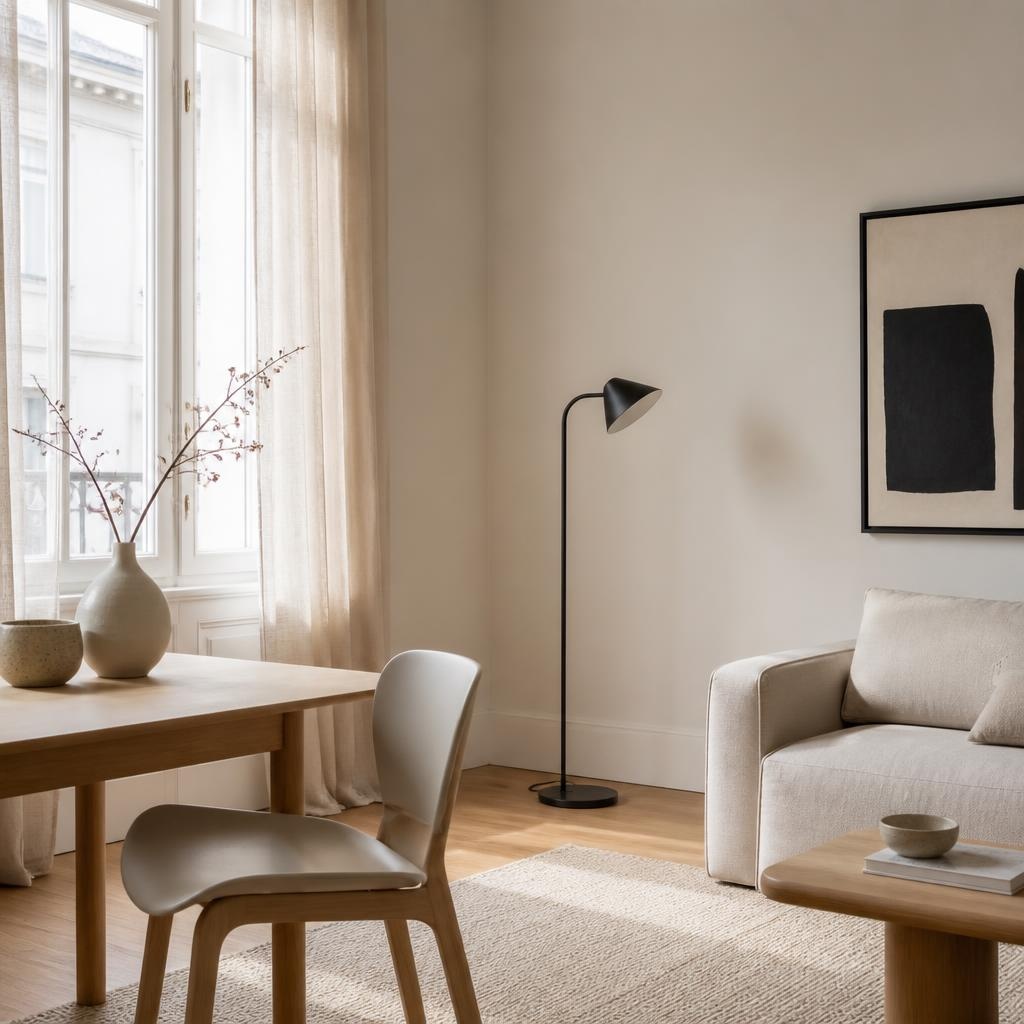
The best white for Scandinavian interiors is rarely a stark, brilliant white. In most homes, a softer white with warm or neutral undertones creates the calm, light-filled look that makes Scandinavian design feel inviting rather than cold. If you want the room to feel timeless, natural, and easy to live with, start with an off-white, cream-leaning white, or very light greige instead of the brightest white on the paint card.
What makes a white feel Scandinavian?
Scandinavian interiors are known for light, simplicity, and warmth. White plays an important role, but it works best as part of a layered neutral palette rather than as a hard, clinical backdrop. The goal is not to make a room look ultra-white. The goal is to make it feel soft, balanced, and bright.
That usually means choosing a white that:
- has a warm or neutral base rather than a blue or icy cast
- works well with natural wood, especially oak and ash tones
- reflects daylight gently instead of looking sharp or sterile
- pairs easily with linen, wool, stone, and matte black details
In other words, the best Scandinavian white is a white that supports texture, daylight, and natural materials.
Why stark white is usually not the best choice
Pure bright white can sound appealing because Scandinavian interiors are often described as minimal and airy. In practice, though, stark white can feel too cold, especially in spaces that rely on natural materials for warmth. It can also create harsh contrast against wood furniture, soft textiles, and muted decor.
A softer white is more forgiving. It gives walls and larger surfaces a calmer appearance and helps the room feel more settled. This is one reason Scandinavian-inspired interiors often lean toward off-white, cream, light greige, or pale sand instead of the crispest possible white.
The best white undertones for Scandinavian interiors
When people search for the best white for Scandinavian interiors, undertone matters more than the colour name. Two whites can look almost identical on a sample card and feel completely different on the wall.
Warm white
Warm white is often the safest choice for a Scandinavian look. It softens the space and sits comfortably with pale woods, woven textures, and gentle neutral styling. This is especially useful if you want the room to feel relaxed rather than gallery-like.
Neutral white
A neutral white can also work well when you want a clean look without too much creaminess. It tends to suit modern Scandinavian interiors where the palette is restrained but still needs warmth from materials and lighting.
Cool white
Cool whites are usually the hardest to get right in this style. If the undertone turns blue or grey in the wrong light, the space can quickly feel colder than intended. They are generally less suitable if your aim is a soft and welcoming Nordic atmosphere.
How natural light changes the right white
The same white can look warm in one room and flat in another. That is why there is no single best white for every Scandinavian interior.
- North-facing rooms often benefit from warmer whites that counterbalance cooler daylight.
- South-facing rooms can usually handle a more neutral white because the light is naturally warmer and brighter.
- East-facing rooms change noticeably through the day, so balanced whites are often easiest to live with.
- West-facing rooms can become quite golden later in the day, making overly creamy whites feel too yellow.
If you are choosing white for a Scandinavian-style room, always judge it in the actual space and at different times of day. White is highly reactive to light, flooring, and surrounding materials.
Best white for Scandinavian walls, furniture, and details
Not every surface needs the same type of white. A wall colour that feels right may not be the best option for furniture or accents.
Walls
For walls, softer whites usually work best. They create the quiet backdrop that Scandinavian interiors are known for while leaving room for wood, textiles, and lighting to add depth.
Larger furniture pieces
For larger pieces, off-white and light neutrals often feel more integrated than brilliant white. They make the room feel cohesive and less contrast-heavy.
Smaller accents and lighting
On smaller details, a cleaner white can work beautifully because it adds freshness without dominating the room. White finishes in lighting, chair frames, or subtle product details can brighten a space while still sitting comfortably within a muted palette.
What colours pair best with Scandinavian white?
The right white becomes more convincing when it is surrounded by the right materials and tones. In Scandinavian interiors, the strongest pairings are usually simple.
- Light oak and pale wood for warmth and softness
- Cream, sand, and light greige for layered neutrals
- Linen, wool, and boucle for tactile depth
- Stone and ceramic surfaces for quiet texture
- Black accents for clean contrast used sparingly
This is also why the most successful Scandinavian rooms rarely depend on white alone. White works best when it is supported by texture and a few grounded, natural contrasts. For more ideas on combining whites with accent tones, see Nordic color palettes.
How to choose the best white for your home
If you want a Scandinavian result, keep the decision process simple:
- Start with a soft white, not the brightest white available.
- Compare warm and neutral options in your actual light.
- Check the white next to your flooring, wood tones, and fabrics.
- Avoid anything that reads too blue, too sterile, or too yellow.
- Think in layers, not in one isolated paint shade.
If your room already includes oak, soft textiles, and muted furnishings, a warm off-white usually feels the most natural. If the space is more minimal and architectural, a balanced neutral white may be the better fit. This approach aligns closely with the principles of Scandinavian interior design.
FAQ
What is the best color for Scandinavian walls?
For many Scandinavian interiors, the best wall colour is a soft white, off-white, cream, light greige, or pale sand. These shades keep the room bright while adding more warmth than stark white. You can find more detail in Scandinavian colors explained.
What color is Scandinavian white?
Scandinavian white is not one exact shade. It usually refers to a soft, natural-looking white with warm or neutral undertones that works well with wood, daylight, and simple materials.
What is the color palette of Scandinavian interior design style?
The palette is typically built around whites, off-whites, creams, greiges, pale sandy tones, light wood colours, and restrained black accents. Texture is just as important as colour in creating depth.
What is the most popular shade of white for interior walls?
In practice, the most popular whites for interior walls are usually soft whites rather than pure bright whites. They are easier to live with, flatter natural light, and suit a wider range of materials and furnishings. For current inspiration, see Scandinavian interior design trends and how these softer shades are used in modern spaces.
Recent articles
View all
Coming soon...
Interior design service